

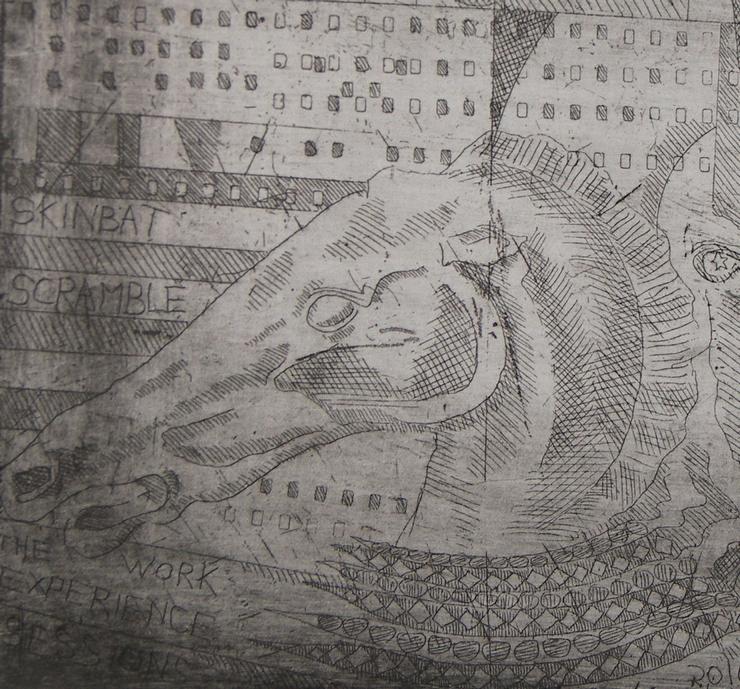
 Skinbat Scamble date back to the 1980s and have done a great job of documenting their history on earlier compilations. The band continues to this day, albeit in multiple updated configurations, and the just released 3-CD Work Experience Sessions consists of music recorded between 2008-2015.
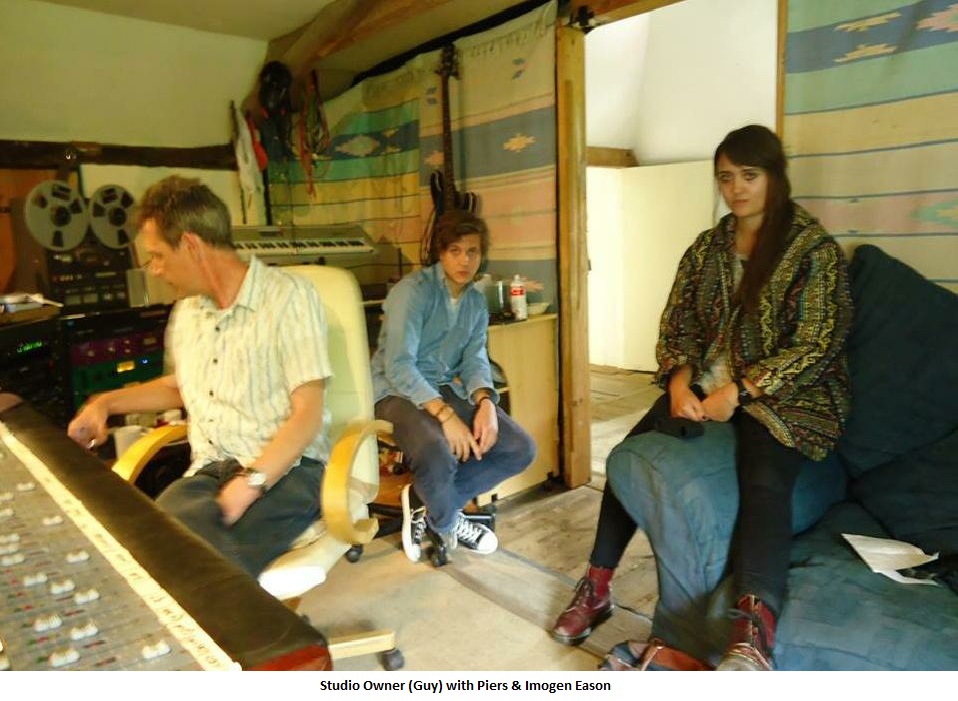
The band’s mainstay from the early days is Mark Eason, who has raised a talented brood of musicians that play and contribute vocals. The Work Experience Sessions title comes from son Piers’ (drummer) 2009 “Work Experience” assignment at school. Piers and another drummer classmate were going to spend a week as assistant engineers in Mark’s studio and when the scheduled band cancelled, recordings that formed the basis of the some of this set’s tracks ensued. Fun, huh?
There is a tremendous amount of variety across these three CDs, with myriad styles and influences coming together in imaginatively off the beaten path and exciting ways. I’ve had such fun immersing myself in all this music that I can’t resist giving the full tour.
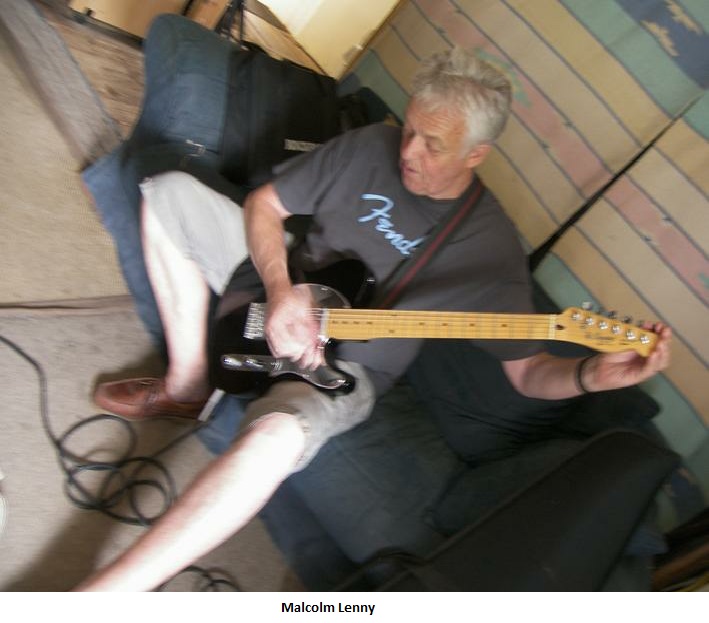
In addition to the Eason family of musicians there is an array of others who pop up throughout the set, perhaps the most prominent of which is featured on the opening Part 1 track. Before Eights is a beautifully pastoral acoustic instrumental with lusciously melodic and tastefully ripping electric guitar leads by Malcolm Lenny. Lenny is renowned for his Joe Meek produced 60s bands The Packabeats and Hi-Fi’s, The Traitors being The Packabeats big hit (check it out HERE on YouTube).
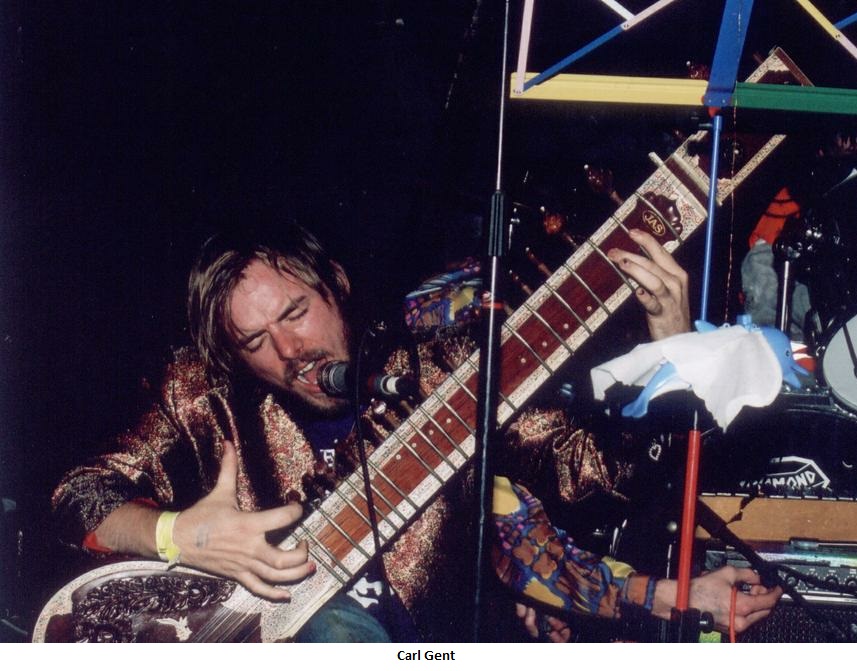
Dux follows and goes in a different direction, being a catchy rocker with a funky edge, ethereal Pop vocals by Imogen Eason and colorful alien synth action that adds a far out freaky factor to the song. Forest of Flutes seems to pick up where Dux left off, while veering into a variety of seamlessly integrated realms. We’ve got instrumental Prog-Pop, though it’s also got a free-wheeling West Coast Psychedelic jam feel, as well as having a cosmic edge that weaves in and out of space. I like the quirky Space-Pop with a Beefheartian edge on Whippoorwill Walt 2. Fox Parallel 13 features densely spacey drone rock with an Indian Folk rock feel from Carl Gent’s twangy sitar and electronic effects that gently but noisily buzz about. Dandelion’s Tails has a funky edge that recalls Talking Heads, though Skinbat Scamble are much looser and get into spacey psychedelic territory. You can dance to this sucker or just close your eyes and head bop drift along with it. Imogen becomes the trippy torch singer on the Italian language Quando Vivavano, which comes across like a psychedelic Post-Punk take on a traditional Italian party song. Buffalo Beach is like a blend of the previous two songs, being spacey and freaky funky, but with avant-experimental effects and has a punked out traditional ethnic feel. But then about two-thirds of the way through there’s an abrupt dramatic shift into a kind Anthony Phillips meets John Fahey acoustic finale. Veeeery cool and strange indeed. Closing out Part 1 is the 10+ minute The Drunken Frenchman, which is a spacey, jazzy, ambient excursion that brings together soundscapes, drones, melodic strumming and steady paced jazz drumming, with the last few minutes being a quietly meditative Kosmiche floater.
That’s a hell of a start but the Part 2 CD gets into even freakier spaced out territory. We open with the 10+ minute Basil Meets Wendy, a steadily propulsive rocker with a throbbing rhythmic drive that serves as the foundation for Andrew Wakeford’s exploratory Psych/Noise/Freakout guitar leads. I love how the assertively repetitive rhythm section seems to egg the guitar on to slash, burn, grind, space out, trip out, and make all manner of good fun sounds. Blobraphone is like opening a music box but along with the little ballerina spinning slowly to the lullaby melody a haunting space-ambient acid guitar rumble of effects comes pouring out. Blackwall Bridge is a brief rhythmic space-ambient rocker that leads into the valium paced, cool grooving The Fridge Has Gone, with its dual contrasting guitars: one being smoothly sultry and cosmically melodic, while the other trips around splashing colorful effects, creating an overall mood that is lysergically peaceful with a jazzy Hawkwind Space Ritual vibe. The upbeat space-jazz-ambient rocking The Hat-Check Girl follows, packing a swirling array of effects into a tightly rocking pulse. The deep space theme continues with Marphine, which features a cool combination of pleasantly melodic acoustic drift and caustically tension-laden space-acid-efx exploration. This contrast of moods goes in an interesting direction on the all too brief Niblung Jumper, which lays freak flag flying wigged out mayhem over a jaunty stroll in the park beat. The Parable Of The Tiny Dragon shocks with its dramatic shift from the previous Part 2 instrumental tracks, being a funky, punky and quirkily tense rocker with vocals. And yet, it’s not so different, as the manic guitar takes on a space-ambient quality. Wardour Salad is similar, sounding like a Punk infused James Blood Ulmer meets Captain Beefheart with intense spoken word vocals. Glitter and Flake and Pragblob are both short pieces that explore Punk-Funk with spaced out effects themes. And wrapping up Part 2 is the nearly 12 minute Stereo Jack. The fun begins with a freeform glom of electronic noodling, which doesn’t let up when the band launch into a whimsical but rhythmically tight rocking groove, which gets increasingly intense as it progresses. Wow, this is a real head spinner, being equal parts quirky Post-Punk, avant-Prog and Psychedelic, peppered throughout by a banquet of sound and effects embellishments.
Had enough? No? Me neither… The 16 minute Part 3 opener, Dead Rabbit Universe, is like a less delirious and more streamlined take on Stereo Jack. It’s got a kinetic but smoothly flowing groove, being Prog punky and laced with an aura of ambience that gets pretty spaced out, making for a tasty Space-Punk-Prog epic that maintains a nice balance between composed structure and freeform jamming. Viennese Vibes is an impressively cool blend of ambient Jazz, cosmic Psychedelia, trippy effects, a dash of Grateful Dead, and spectral spoken word by Imogen. Love this one. The Odd Off-License features more of Skinbat Scramble’s wild and wooly Post-Punk-Prog art damaged Rock. Escape From My Mind is similar, with spoken word narrative by Tom Pether and, later, some cool contrasting ambient-Jazz. The appropriately titled Glam-Rock Drums lays down a chunky rocking 70s inspired groove, but there ain’t nuthin’ retro about the ocean of noisy space-waves that prominently and repetitively pulsate throughout this minimal lock groove rocker. Cultivating Clouds serves up more of the Scramble’s Post-Punk-Prog with a heavy duty Funk injection and killer vocals by Wolf, who veers between a rap-like rant and passionately anguished singing. Wolf’s intensely emotive vocals also grace Rolo Day-Z, which showcases a cool and strange mixture of grunge and zig-zagging instrumental and rhythmic gymnastics that bring to mind Discipline era King Crimson gone Post-Punk, though Carl Gent’s slowly plucking sitar adds a decidedly trippy dimension. Then about two-thirds of the way through we shift thematic gears as the music takes on a darkly avant-Psychedelic moodiness that gradually winds down into silence for the finale. I really dig the high powered funky rhythmic drive on Statue of Limitations, with its grungy/spacey Hard Rock/Psychedelic vibe and more spoken word, this time by Eloise. Beautiful soaring spaced out guitar licks and soundscape waves later in the piece. Marmalade Arch goes even deeper into space, being a threatening and explosive yet cool grooving Space-Doom-Funk dirge. And, finally, the cosmically whistling Whistler In The Rye has a Beefheart feel, though, characteristically, Skinbat Scamble throw a hodgepodge of inspiration into the stylistic pot.
In summary… WOW, there is a LOT happening across this sprawling 3-part set. If my descriptions sound all over the place, well… that’s the magic of Skinbat Scramble. Mark Eason has been sharing Skinbat Scramble compilations with me for years, as well as his numerous other projects, and these folks have an impressive flair for bringing together multiple contrasting elements and making it all fit in intriguing and exciting ways. And that’s the challenge and fun of writing about it. Punk, Funk, Prog, Rock, Psychedelia, Space Rock, Avant-Experimental… it’s all here and usually happening at once, while ultimately being accessible to all. Recommended.
For more information on Skinbat Scramble and other (all in various ways related) Alien Piers Organization bands visit http://alienpiers.org and http://sarzi.net
Reviewed by Jerry Kranitz
 Quoting from the back of the CD: “The Drones4Daevid gig was organized by the Real Music Club as a benefit gig for Daevid Allen, to help with his medical recuperation costs after he had been treated for cancer. Very sadly, a week before the gig, Daevid announced that the cancer had returned and that he was going to decline further treatment, and bow out with dignity. The gig became a celebration of Daevid’s life and works, and a big thank you to Daevid with fans and performers travelling far and wide to be at this gig”.
 Veteran musician Arnold Mathes celebrates 40 years of creating electronic music with his 66th album and the succinct title 40 years.
 The latest from Sendelica consists of 5 tracks with a varying lineup around the core of Pete Bingham (guitar) and Glenda Pescado (bass), including some fun guests and different sounds for the band.
 Don Falcone’s on-going “Gathering in Space” continues with a musical adaptation of Mack Maloney’s sci-fi novel Starhawk (I Googled it and it’s actually a series). We’ve got over 70 minutes of music and more than forty-five cosmic crew members on this Space-Prog adventure. As usual I won’t list them all but tell you that among the luminaries are the late great Daevid Allen, Dave Anderson, Alan Davey, Kev Ellis, Pete Pavli, Jerry Richards, Cyndee Lee Rule, Steffe Sharpstrings, Billy Sherwood, Jay Tausig, Nik Turner, Bridget Wishart, Cyrille Verdeaux, and Twink. AND the CD comes with an 8 page Starhawk based comic book with art by Steve Lines and Matt Woodward.
 Paradox One is Scottish Space-Prog musician Phil Jackson, who has also been a long time writer for Acid Dragon Progressive Rock magazine (
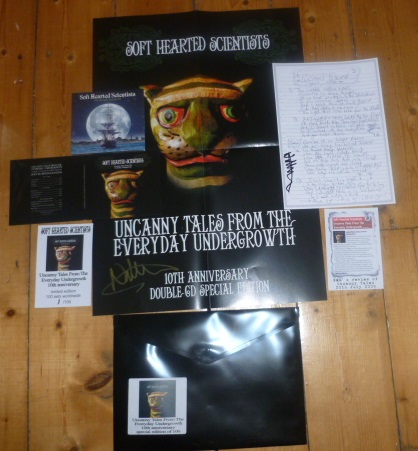 The debut album from Welsh Psych-Folk-Prog alchemists Soft Hearted Scientists started life as three EPs released in 2004 – Wendigo, Bethesda, and Midnight Mutinies, which were then collected the following year into the dozen songs that comprise Uncanny Tales From The Everyday Undergrowth. To celebrate the 10th anniversary of this long out of print gem it has been reissued as a 2-CD set, with one being the original album and the second consisting of home recordings of the songs.
 Detroit raised and currently Tokyo residing electronic musician Lee Negin follows up his recent Frack Art, Let’s Dance single with another cool song AND accompanying video titled Dervish Dharma Dancing. And boy does this appropriately titled tune deliver on all three. After a brief bit of droning sitar swirl, chant and effects, a classic throbbing Trance-House beat kicks in and we’re off to the Psychedelic Rave races. I’m talking disco balls in space that shoot showers of paisley colored lights and stream melting and weaving layers of Eastern flavored meditative drone ooze that one can either dance the night away to and just close your eyes and groove with.
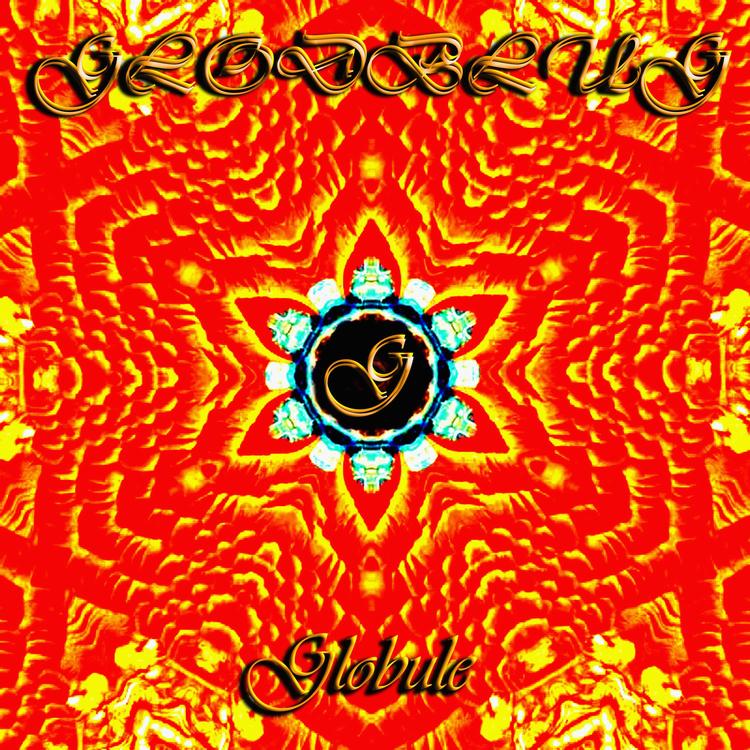 Glodblug is a Census of Hallucinations side project that resulted when the band realized they had material left over from the sessions for their last two albums, Nothing Is As It Seems and The Nine. Glodblug are, as Tim Jones explains, “pure experimentation in order to try to create something new, focusing on atmospheres as a platform for John’s guitar improvisations. We used many of the textures and keyboard parts that John had played/created for the last couple of Census of Hallucinations albums and effectively turned them into new pieces”.